

What is Health First Indiana?
The DeKalb County Department of Health is participating in the Health First Indiana funding. Senate Enrolled Act 4, legislation passed by the 2023 Indiana General Assembly, provides Health First funding starting in 2024 so counties can determine the health needs of their communities and implement evidence-based programs focused on prevention.
The DeKalb County Health Department is looking for partnering agencies providing services to community members within the identified core public health services, which are listed below:
• Tobacco Prevention and Cessation
• Chronic Disease Prevention
• Trauma and Injury Prevention
• Maternal and Child Health
• Access to and Linkage to Clinical Care
The goal is to ensure that every Hoosier has access to the core public health services that allow them to achieve their optimal health and well-being. Good health is the foundation of our ability to thrive, from schools to the economy.
Key Figures

Learn about the partnership process and what is expected from you and your organization.


What does becoming a partner look like?
There are a few qualifications before and after that an organization will need to meet to become a Health First Indiana partner through DeKalb County Health Department. Here is the step-by-step process on what to consider when becoming a partner.
Step 1
Health First Indiana is a program that is defined by certain Core Services that need to be met within the county. In order to qualify and receive funding you will need to determine which Core Service area(s) you fall into. If your organization's program fits into one of the Core Services, you can request funding from the DeKalb County Department of Health to help grow or create the program specified in the application.
The Core Services an organization could function under are:
- Tobacco and Vaping Prevention and Cessation
- Trauma and Injury Prevention and Education
- Chronic Disease Prevention and Reduction
- Referrals to Clinical Care
- Maternal and Child Health
If you are unsure about where your program would fit into these categories follow the link here to speak with someone on our team.
Step 2
Now that your programs are aligned with a Core Service. What do you do with the funding if you were to receive it?

Growing A Program
If your organization already has services or programs in place that support one of the Core Services that need met, you can use funding to help grow that program to have a greater reach.

Creating A New Program
If your organization is wanting to create a program/service to support one of the Core Services listed above, you can use funding to make that program come to fruition.
Step 3
Once you have determined a Core Service that aligns with your program, you can complete the application. You will need to consider SMART goals that can be achieved with the funding you are asking for. Use this checklist to ensure your objectives are SMART:
Specific - Describe the specific behavior or outcome you wish to achieve. This outcome should be related to a number, rate, percentage, or frequency.
Measurable - Determine how you plan to measure your progress toward the end goal. This data may come from an information management system you have in place.
Attainable - Ensure that the objective can be achieved with a reasonable amount of effort.
Realistic - Ensure that the people with whom the objective is set have the necessary knowledge, skills, and abilities to make an impact on the situation.
Timed - Include a start and finish date during which activity working toward the objective will take place.
Step 4
After you have completed your application, it will be reviewed by our Health First Indiana applications committee. Our committee will then reach out to you to have a conversation about your application and how HFI will be beneficial to your program. Once our application period has ended and all submissions have been reviewed, our team will be in contact with you again to go over final award offers if your program was chosen to receive funding.
If you accept our final award offer, our team will send a Memorandum of Understanding (MOU), a W-9, and a Direct Deposit form for you to complete. Once the health department receives funding from the State on January 1, 2025 we will initiate your payment(s) as outlined on the MOU.
Step 5
As we work our way through 2025 there will be some responsibilities that will fall into your hands such as reporting requirements. Reporting will line up with the Core Services you have determined fits your programs best. There will be training provided on how to use the tracker once the new grant year starts in 2025.
Partner meetings are also a required duty. These meetings usually contain information from the State and County level and also give partners a chance to meet other partners. Partner meetings will be outlined on the MOU, but are subject to change.
Failure to complete the required duties could result in delay of possible payment or termination of the partnership.
CORE SERVICES
Tobacco and Vaping Prevention and Cessation
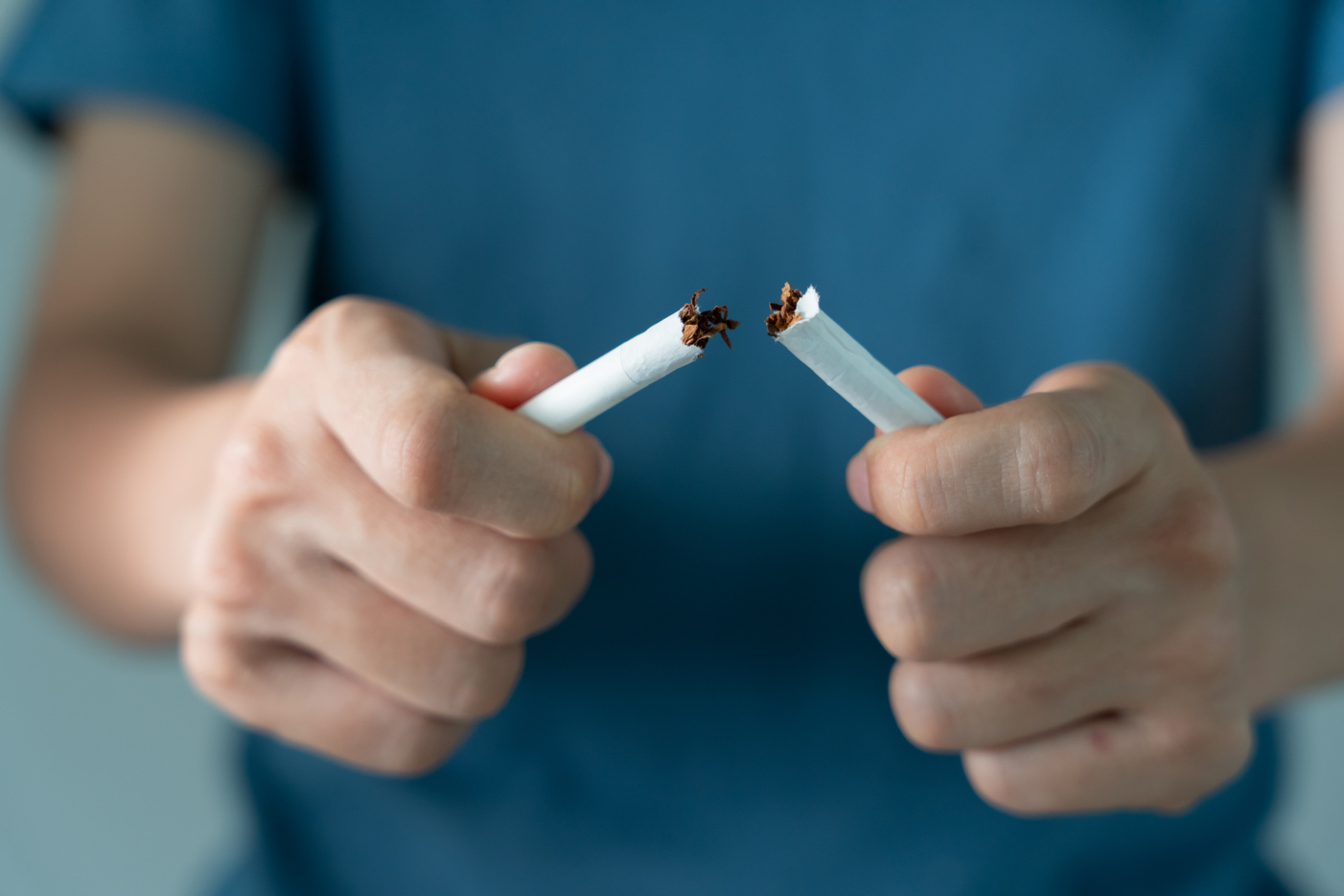
Indiana witnessed an increase in youth e-cigarette use from 3.8% in 2012 to 19.8% in 2021 among high school students. Most e-cigarettes contain nicotine, which is highly addictive and can harm youth brain development. The first step in addressing tobacco and addictive nicotine prevention is building and maintaining a tobacco-free coalition that represents the whole community.
Build a Coalition:
- Conduct assessment of community coalition.
- Conduct ongoing coalition development.
- Engage and work in partnership with organizations serving marginalized communities.
- Educate state and local policymakers.
- Develop maintenance plan.
- Conduct presentation on evidence-based tobacco prevention and coalition activities to local board of health.
Steps for Comprehensive Youth Prevention:
- Obtain a signed agreement from school administration.
- Provide messages to communicate with community (quarterly).
- Provide training for school staff and adults/parent groups (annually).
- Conduct presentation to school board/administration (annually).
- Obtain and review current tobacco-free school policies (annually, starting point).
- Develop a plan for each school to implement restorative/supportive measures for students.
- Develop implementation plan if a policy update occurs

Trauma and Injury Prevention and Education
In Indiana, preventable injuries account for the leading cause of death in individuals aged 1-44 years, notably poisonings and motor vehicle crashes. Identifying a leading cause of injury allows effective planning and prevention of those injuries and potential deaths.
Program Examples:
- Car seat safety stations / checks and technicians.
- Home visitation program educating on injury and safety – safe sleep, assess child neglect, and family counseling.
- Injury prevention education at community events including health fairs.
- Provide education and training in schools on safe environments – bike safety/helmets, bullying, sexual abuse, violence.
- Falls prevention facilitation to provide education and support to community organizations.
- Partner with local BMV to educate on motor vehicle safety and impaired driving.
- Develop mobile-integrated health program/team.
- Community naloxone distribution and training.
- Education on substance use disorder to non-traditional partners – probation, faith-based (Ripley).
- Partnership with local ED – clinic to provide MAT, behavioral health and wrap around services (Clark).
- Community-based integration of peer recovery coaches (Clark, Fayette).
- Mobile or in-house comprehensive service provision – safe use/disposal.
- HIV/HCV testing, referrals to treatment/recovery (Monroe).
- Local health notifications/alerts (ED, SSP, Naloxone data) – overdose response plan to activate coordination of services (Clark, St. Joseph, Jay).
CDC Injury Center Priorities:
- Adverse Childhood Experiences
- Overdose Prevention
- Suicide Prevention
Chronic Disease Prevention and Reduction
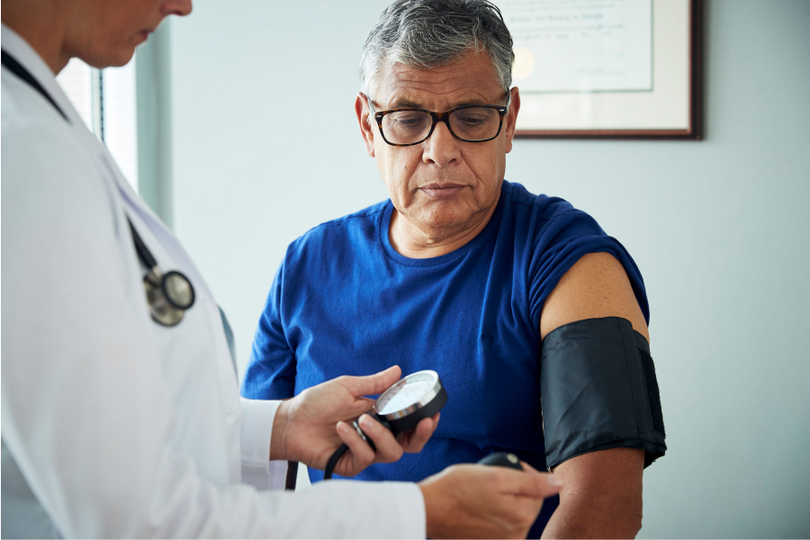
Indiana ranks 12th highest in the US for adult obesity, with 2/3 of adults being overweight or obese. In Indiana, 1/3 of children are overweight or obese. Obesity is a common risk factor for many chronic diseases, including heart disease, cancer, and diabetes. A key step in addressing chronic disease and obesity prevention is building and maintaining a healthy community coalition that represents the whole community.
Evidence-based Workplace & Community Program Examples:
- Behavioral interventions that aim to reduce recreational sedentary screen time among children.
- Digital health interventions for adolescents who are overweight or obese.
- Technology-supported multi-component coaching or counseling interventions.
Evidence-based Interventions in Schools Program Examples:
- Meal or fruit/vegetables snack to increase healthier foods/beverages.
- Multi-component to increase availability of healthier foods/beverages.
- Meal or fruit/vegetable snack combined with physician activity.
- Obesity Prevention and Chronic Disease Prevention Coalitions.
Healthy Food Environment Examples:
- Produce Rx Program (Vanderburgh) – enrolled participants in the pre-diabetes prevention program receive $40/month in free produce through Nourish, a community food-buying club.
- Senior Restaurant Meal Voucher Program (Fayette) – free monthly meal vouchers for 60 and over to eat at a local restaurant from a certified modified menu that has been designed by a registered dietitian that will help the restaurant lower salt, fat, and portion sizes for a healthy option for seniors.
- Joining Jennings for Healthy Living (Jennings) – community-run group with the goal of providing information about physical activity and nutrition opportunities within the county. The group hosts multiple outdoor walks highlighting local venues and parks.
Other Chronic Disease Programs:
- Diabetes Prevention Programs (DPP).
- 24 in-person programs, 10 distance learning (in Indiana).
- National DPP lead by the CDC yearlong program working with a lifestyle coach in a group setting.
Referrals to Clinical Care
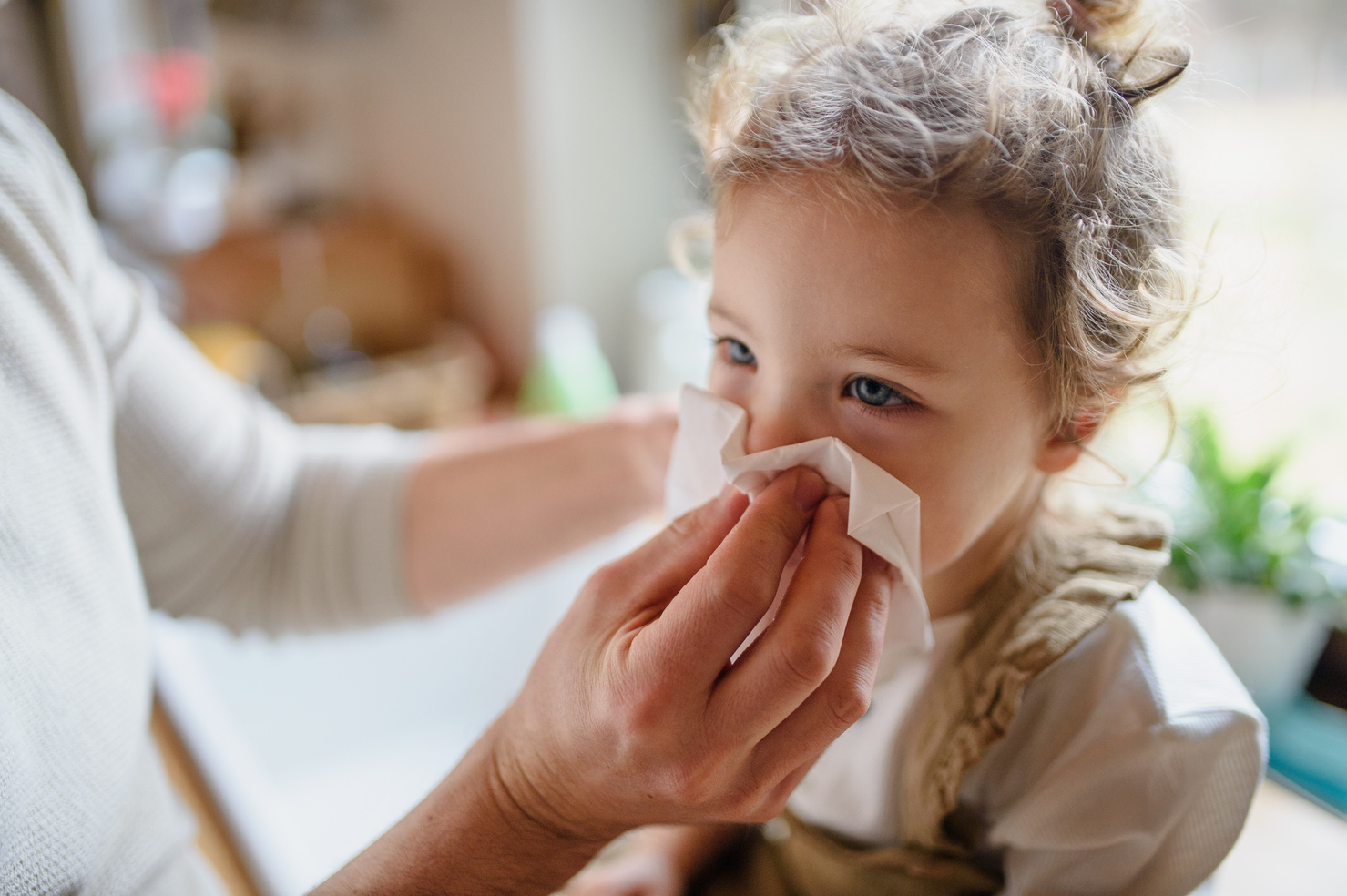
Some communities, such as those in rural areas, often face higher rates of chronic disease and limited access to health care. Access to public health services in all counties will enhance the health and well-being of all Hoosiers, reduce disease, and improve health outcomes.
Program Examples:
- Evaluate role of public health nurses (PHNs) in delivering essential clinical services to their community, such as communicable disease testing, investigation, education, and treatment, lead case management services, and immunizations for children and adults.
- PHN role in chronic disease management, sexual health, injury prevention, and maternal and child health topics.
- Development of after-hours protocols and procedures for immediately reportable communicable diseases.
- Association of State and Territorial Directors of Nursing (ASTDN) recommends a ratio of one PHN per every 5,000 population (minimum standard).
- Provide access via referrals to another provider or organization to ensure the client’s medical, behavioral, or social needs are fully met.
Local partners to engage:
- Health system/hospital or medical services organization(s)
- Local healthcare providers (primary care, FQHCs, OB/GYN, pediatrics, others as needed)
- Local lab service providers
- United Way FSSA 2-1-1 (findhelp.org)
- Local transportation service providers
- Local social services agencies (food banks, homeless shelters, etc.)
- Local education representatives
- Local businesses
- Purdue Extension
Opportunities for expanded services and programing:
- Referrals to HIP or Medicaid.
- Referrals and access to insurance coverage information.

Maternal and Child Health
Indiana ranks 41st in infant mortality, which is the death of an infant before the first birthday: in 2021, Indiana’s infant mortality rate was 6.7 deaths per 1,000 live births, compared to the national rate of 5.4 deaths. Understanding causes of infant mortality helps drive education and action to prevent these deaths.
Recommended Practices:
- Develop warm referral system to MCH-related services already existing in your community.
- Staff mobile unit to provide women’s healthcare services in the field.
- Provide portable cribs and sleep sacks for expectant families.
- Provide lactation support to new parents.
- Support tobacco cessation programs and referrals systems for pregnant individuals.
- Conduct home visits with pregnant and parenting families.
- Connect and/or provide women and men to family planning resources including contraceptives.
- Provide insurance navigation or refer to Covering Kids and Families.
- Support community organizations providing these services.
- Provide a comprehensive menu of child and adult immunizations.
Additional Resources on Health First Indiana
Contact


Alyssa Clark, RN
First Deputy RN

arclark@co.dekalb.in.us

260-925-2220